Abhijeet Dipke, Saurav Das, and Ashutosh Ranka Remain in Delhi Police Detention: Court Production Underway Amid Transit Crackdown Fallout
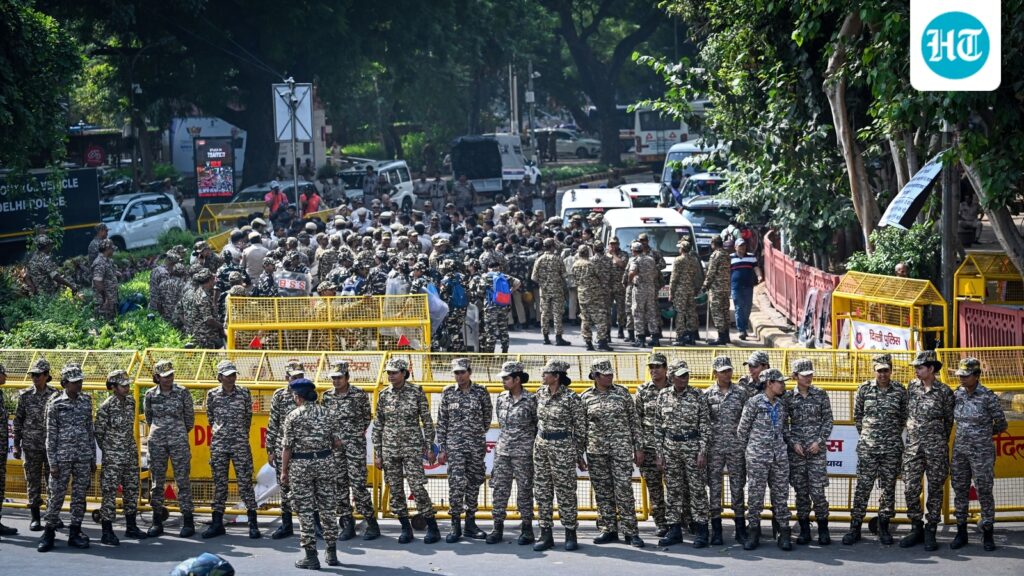
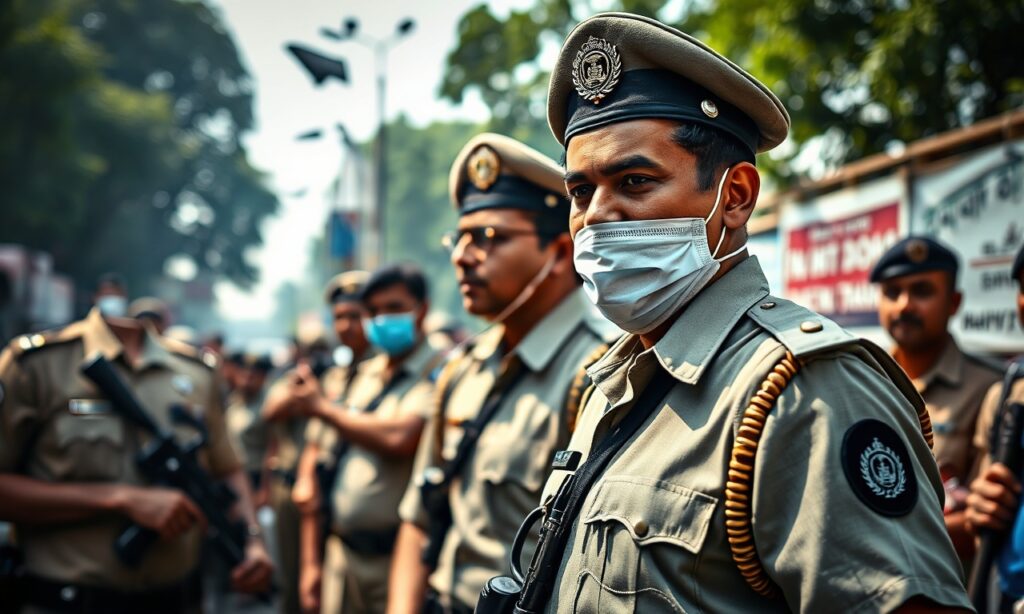
Abhijeet Dipke Saurav Das — A quiet weekend morning across the capital took a tense legal turn as Delhi Police confirmed that activists Abhijeet Dipke, Saurav Das, and Ashutosh Ranka remain in custody and will be produced before a local court. The detentions follow sweeping preventive enforcement across Central Delhi that previously brought metro corridors and railway access to a virtual standstill.
- Continued Custody: Abhijeet Dipke, Saurav Das, and Ashutosh Ranka have been held by Delhi Police, with authorities preparing to produce them before a judicial magistrate.
- Legal Pushback: The detentions coincide with a special Sunday sitting at the Supreme Court of India examining compliance with earlier orders against blanket transit bans.
- Transit Normalised: Metro and railway lines into Delhi have reopened, but questions around custodial timelines and protest policing remain sharp.
The detentions of Abhijeet Dipke, Saurav Das, and Ashutosh Ranka mark the sharpest personal flashpoint of a protest cycle that pitted civil society networks and political groups against administrative machinery. While police stations in New Delhi processed hundreds of preventive pickups over forty-eight hours, the ongoing detention of the trio without immediate station bail signaled that investigators intend to seek formal remand or place detailed allegations directly on record.
- Detained Figures: Prominent digital campaigners and activists Abhijeet Dipke, investigative reporter/activist Saurav Das, and Ashutosh Ranka.
- Jurisdiction: Delhi Police, preparing presentation before the relevant metropolitan court.
- Judicial Oversight: Supreme Court bench comprising Justices Joymalya Bagchi and V. Mohana scheduled a special hearing over public curbs and handling of protest detentions.
- Logistics Update: Delhi Metro services and commuter rail links into the capital restored after multi-day disruption.
From Preventive Pickups to Judicial Scrutiny
Preventive detentions during mass gatherings in Delhi typically follow a familiar script: agitators are bundled into state transport buses, ferried to distant police facilities such as Mandir Marg, Bawana, or distant district lines, and released late in the evening once demonstration zones clear. That script did not unfold for Dipke, Das, and Ranka.
Instead, investigators kept the trio under continuous detention past the customary holding threshold, shifting their status from routine preventive crowd control to active legal processing. Friends and legal representatives monitoring their status spent the overnight hours pressing for clear station diaries and production schedules, citing statutory safeguards under criminal procedure codes.
“Authorities had maintained restrictions on public transport despite explicit directives against blanket prohibitions into the national capital.”
The decision to produce the trio before a magistrate brings the matter within the scrutiny of judicial remand rules. Under Indian criminal jurisprudence, any person held in custody beyond statutory limits must be presented before a magistrate within twenty-four hours of formal arrest, excluding travel time. Counsel representing the detained activists are expected to challenge the legality of the extended detention and apply for immediate bail upon production.
The Protests That Triggered the Crackdown
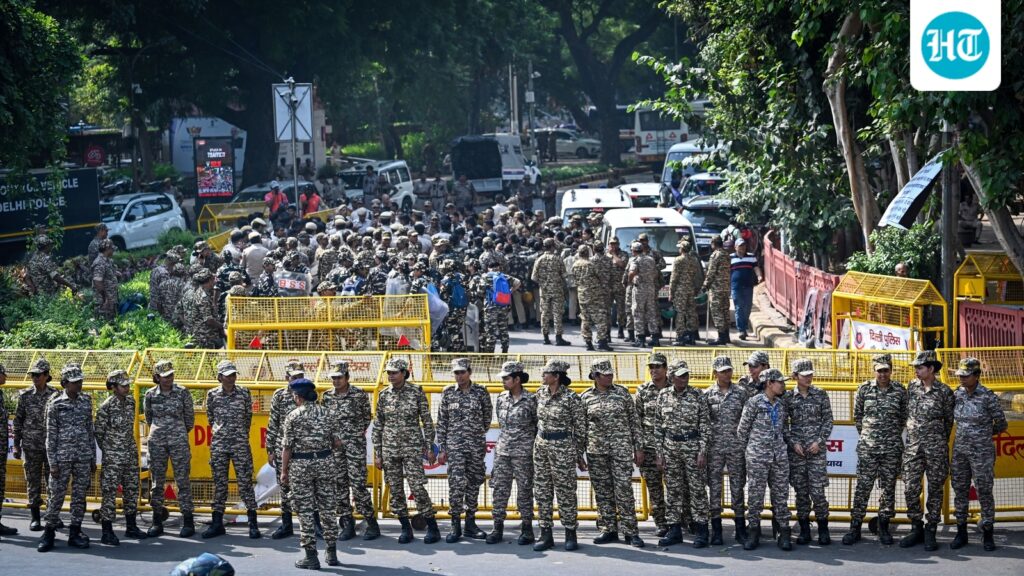
The detentions originated during agitations called by student formations and political groups protesting administrative decisions tied to Chief Election Commissioner Gyanesh Kumar. The capital saw extraordinary security deployment, with multi-layered barricades erected near central administrative buildings and transport arteries squeezed shut.
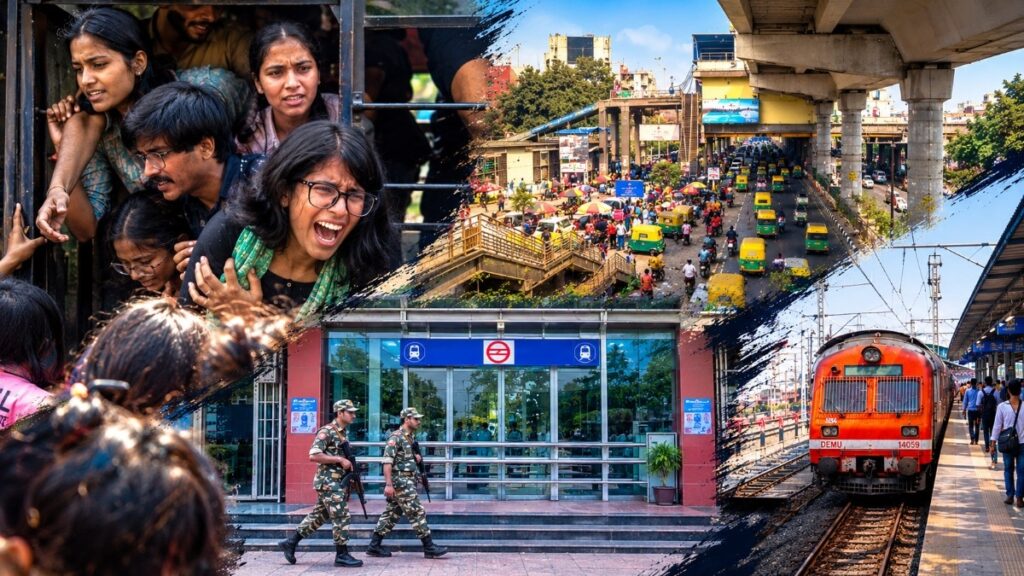
To thwart demonstrators from assembling, local authorities had restricted commuter trains and shuttered central Delhi Metro gates, leaving thousands of regular passengers stranded. The intensity of that administrative response caught legal notice almost immediately.
Article 22 of the Constitution guarantees that anyone arrested must be informed of the grounds of arrest and presented before the nearest magistrate within 24 hours. When police transition from preventive detention under section laws to substantive production, the burden rests on the state to justify why custodial restraint remains necessary.
Supreme Court’s Special Sunday Intervention
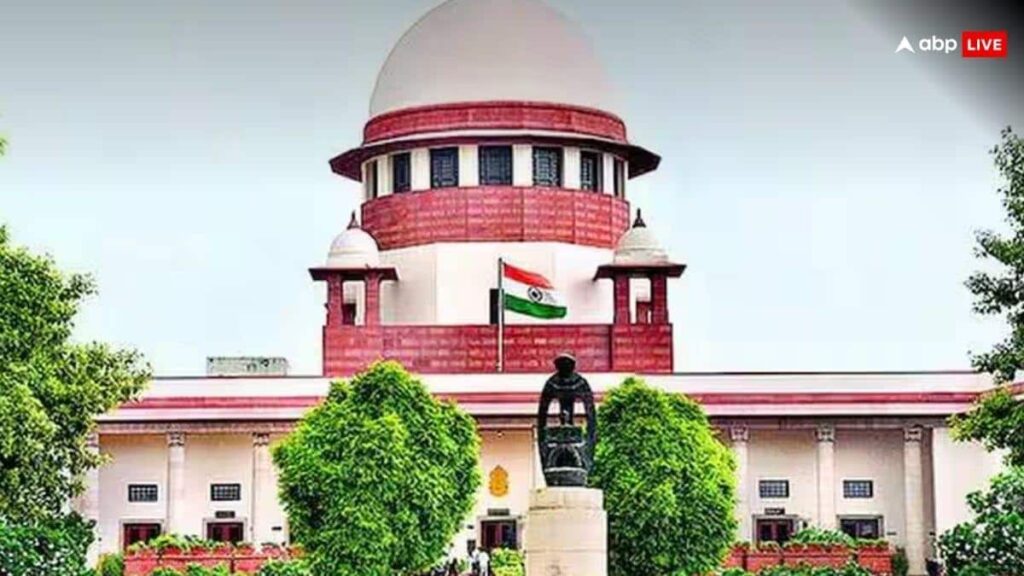
The friction surrounding the detentions did not remain confined to police stations. A special hearing was scheduled before a Supreme Court bench comprising Justices Joymalya Bagchi and V. Mohana to consider a contempt petition filed by advocate Shailendra Mani Tripathi.
The petition listed Union Home Secretary Govind Mohan, Delhi Police Commissioner Anurag Kumar, and Delhi Metro Rail Corporation chairperson D. Thara as respondents. It argued that authorities willfully breached an October 9 court directive that prohibited shutting down passenger ingress and shutting rail terminals across the capital.
| Timeline Stage | Administrative Action | Legal & Public Impact |
|---|---|---|
| October 9 | Apex court warns against blanket transit prohibitions | Sets judicial limit on disruptive citywide lockdowns |
| Protest Mobilisation | Extensive metro closures and border stationing implemented | Widespread commuter disruption; preventive detentions initiated |
| Current Status | Dipke, Das, and Ranka held for court presentation | Transit fully restored, scrutiny shifts to magistrate hearing and contempt plea |
While public transport corridors have now reopened and metro gates returned to regular operation, the collateral legal consequences of the security response are only beginning to unfold in courtroom corridors.
🔭 What to Watch Next
The immediate focus turns to the magistrate court where Dipke, Das, and Ranka will appear. Observers will watch whether Delhi Police seek custodial remand under specific penal sections or whether the court grants bail upon production. Simultaneously, observations from the Supreme Court bench regarding executive overreach in transportation curbs could redefine how law enforcement balances crowd control against civil liberties during future capital protests.
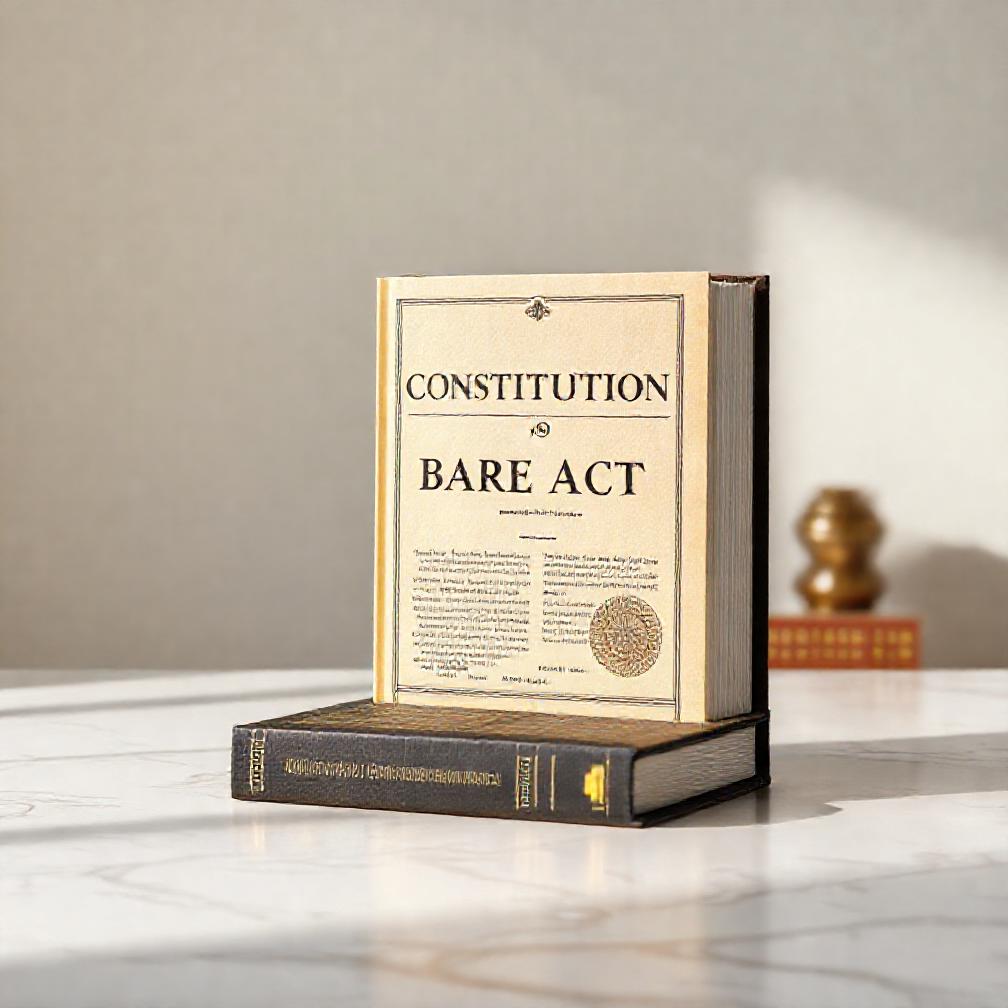
AI-generated representative product-category illustration; not an exact retail product photo. Image provider.
🛒 RELATED PRODUCT
Constitution of India bare act English Hindi
Price: Check retailer for current price.
Customer reviews: A verified rating/count was not returned by the connected catalog source. Read customer reviews →
Disclosure: Some links in this article may be affiliate links. If you buy through them, TITTOO may earn a commission at no extra cost to you.
📰 Sources & Further Reading
- अभिजीत दिपके, सौरव दास और आशुतोष रांका अब भी हिरासत में, अब कोर्ट में पेश करने की तैयारी में दिल्ली पुलिस (aajtak.in)
- HT Morning News Brief October 11: SC special sitting today on Delhi curbs; Naseeruddin Shah to portray Rushdie (hindustantimes.com)
- SC To Hold Special Hearing On Metro, Rail Curbs, Detentions During Delhi Protests Today (news.abplive.com)
- CJP प्रदर्शन के बीच दिल्ली में पाबंदियां खत्म… सभी मेट्रो स्टेशन खुले, रेल सेवाएं भी बहाल (aajtak.in)
Sources are provided for context and further reading. TITTOO does not reproduce source articles.
🎥 Watch Related
CJP Protest: Supreme Court Holds Special Hearing On Sunday Over Metro Closure & Detentions By Police — DNAIndiaNews
Related video from YouTube. If embedding is disabled by the publisher, use Watch on YouTube.
 50000
50000 20000
20000 20
20
 20
20Explore Related TITTOO Coverage & Discussions
- [Category Hub]: News & Current Affairs Hub
- [Community Forum]: News & Current Affairs Discussion Board
- [Related Editorial Story]: Lava rolls out 6 GB/128 GB Bold N1 5G – price, specs and what it means for India’s budget 5G market
- [About & Standards]: TITTOO Editorial Standards & Methodology
Delhi Police are preparing to produce activists Abhijeet Dipke, Saurav Das, and Ashutosh Ranka before a magistrate after keeping them in custody following high-tension demonstrations in the capital.
Read the full article ↓Delhi Police are preparing to produce activists Abhijeet Dipke, Saurav Das, and Ashutosh Ranka before a magistrate after keeping them in custody following high-tension demonstrations in the capital.
Yeh quick view original article ke excerpt par based hai. Puri details ke liye Standard Deep mode padhein.
You are reading the original TITTOO article. Existing article text, links, images, and embedded media are preserved.